In modern precision equipment manufacturing, consistency and repeatability define success. Deburring and leveling machines play a critical role in ensuring process reliability by eliminating material defects, improving surface quality, and stabilizing downstream operations.
Why Process Reliability Matters
Reliable processes reduce rework, minimize downtime, and ensure that every component meets dimensional and surface quality standards. This is where advanced deburring and leveling solutions make a measurable impact.
Role of Manual Leveling Machine
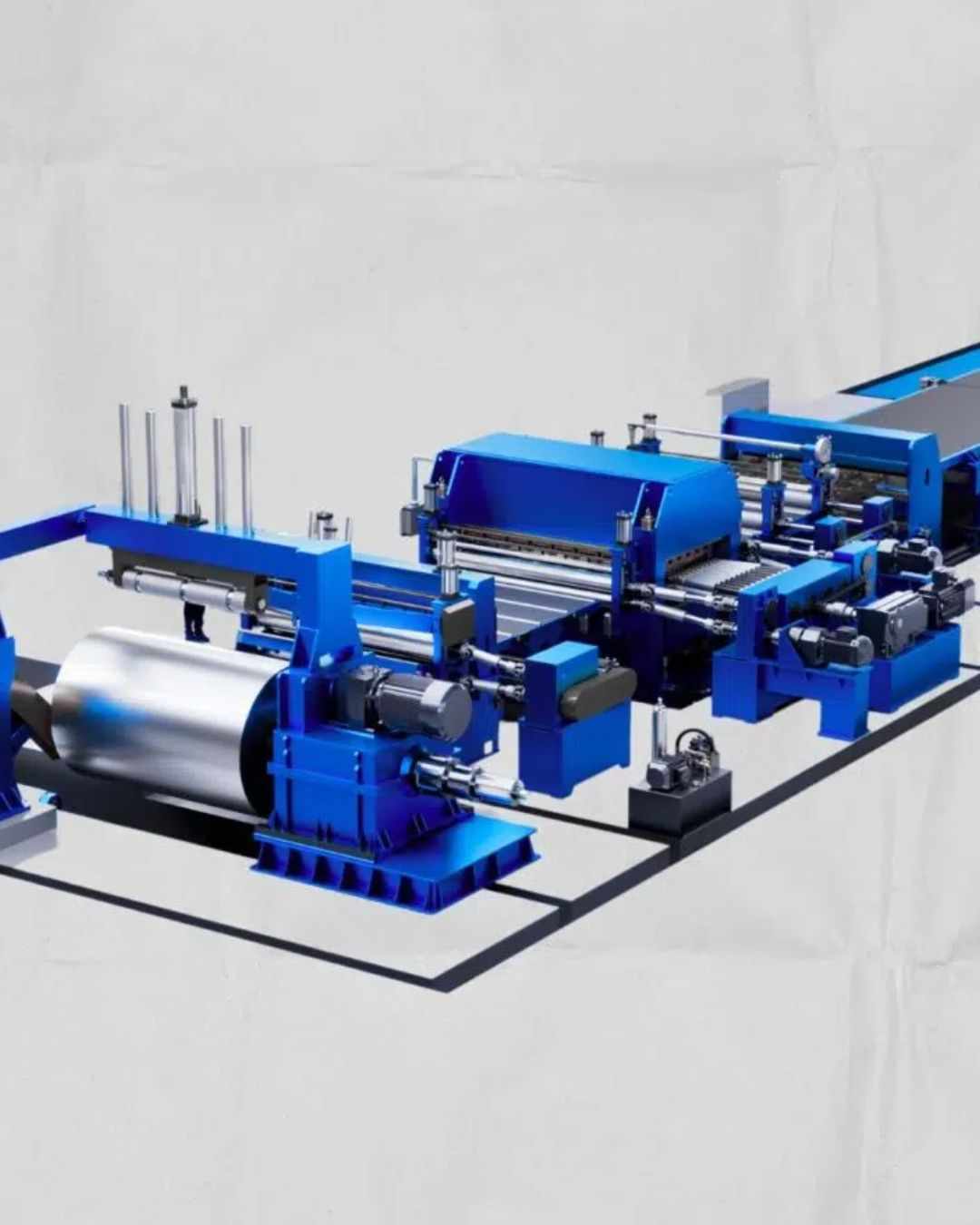
A Manual Leveling Machine offers operators precise control over sheet flatness, especially for low- to medium-volume production. By correcting material distortion early in the process, it ensures:
Improved dimensional accuracy
Reduced stress on cutting and forming tools
Better fit-up in assembly stages
Automation with Automatic Deburring Machine
An Automatic deburring machine enhances consistency by removing burrs uniformly across parts. Automation reduces human error and ensures:
Repeatable edge quality
Safer handling of finished components
Higher throughput with consistent results
Precision at the Edges
An edge deburring machine is essential for achieving smooth, uniform edges that meet quality and safety standards. Clean edges help prevent micro-cracks and improve coating adhesion, directly contributing to long-term part reliability.
Combined Impact on Manufacturing
When leveling and deburring processes are integrated, manufacturers benefit from:
Stable and predictable production workflows
Improved surface finish and flatness
Higher overall product reliability
Final Thoughts
Investing in deburring and leveling solutions is not just about finishing—it’s about building reliability into every step of precision equipment manufacturing. From material preparation to final inspection, these machines ensure consistency, quality, and confidence in every part produced.


Write a comment ...